
Absentee Ballot Tracking Best Practices for the Final Few Days Before the Election
The final few days before Election Day are a busy time for boards of election. With absentee ballots moving through the mail, voter inquiries increasing, and important deadlines approaching, keeping track of ballot deliveries and returns becomes especially important.
Following absentee ballot tracking best practices can help election administrators identify potential mailing issues, keep voters informed, and maintain accurate records throughout the final stretch. With New York's early voting period running from October 24 through November 1, 2026, now is the time to review your tracking and communication processes ahead of Election Day on November 3.
Absentee Ballot Tracking Best Practices for Election Administrators
Effective ballot tracking involves more than confirming that a mailing has left the production facility. From monitoring USPS activity to updating voter records, each step helps election offices maintain visibility as ballots travel to voters and return for processing.
1. Use a Reliable Ballot Mail Tracking System
A reliable tracking system gives election administrators greater visibility into outgoing and returning absentee ballots. Depending on the system and available postal data, officials may be able to monitor mailing activity, identify potential delays, and provide voters with updates about their ballot status.
Modern ballot mail tracking systems can also help election offices manage inquiries and monitor large volumes of election mail. When tracking information is organized in one place, staff can spend less time searching for individual mailing records and more time addressing issues that need attention.
2. Take Advantage of USPS Tracking Integration
The United States Postal Service offers tools that help election officials monitor ballot mail as it moves through the postal network. Uniquely serialized Intelligent Mail barcodes (IMbs) and USPS Informed Visibility Mail Tracking & Reporting can provide valuable information about outgoing and returning mailpieces.
For election administrators, this information can help identify mailing patterns, anticipate delivery activity, and recognize potential delays. USPS also recommends using appropriate ballot mail Service Type Identifiers (STIDs) and green Tag 191 to improve the identification and visibility of election mail.
It's important to remember that USPS tracking events don't always confirm final delivery or ballot acceptance. Postal tracking should work alongside your election office's ballot management records to provide a more complete picture of each ballot's status.
3. Keep Mailing Lists and Voter Information Updated
Accurate voter information is an important part of successful absentee ballot delivery. Incorrect addresses, outdated records, and duplicate information can create unnecessary delays or result in ballots being returned as undeliverable.
Before sending additional absentee ballot mailings, review voter records and address information according to your jurisdiction's procedures. Maintaining accurate records supports election mail integrity and helps reduce avoidable problems throughout the mailing process.
When an address issue is identified, election offices should follow applicable procedures for correcting voter information and determining whether another ballot needs to be issued.
4. Monitor Outgoing Ballots for Delivery Issues
Once absentee ballots enter the mailstream, regularly reviewing available tracking data can help election offices identify unusual delays or delivery patterns.
For example, if multiple ballots within the same mailing show limited tracking activity, staff may need to review the mailing details or contact their USPS election mail representative for assistance.
Keeping an organized record of mailing dates, quantities, destinations, and reported issues can make these conversations more productive. It also helps election administrators distinguish between isolated problems and issues affecting a larger group of voters.
5. Track Returning Ballots Separately
Tracking outgoing ballots is only half of the process. Election offices also need a reliable way to monitor ballots being returned by voters.
When supported by the mailing setup, USPS tracking data can provide visibility into return envelopes moving through the postal network. However, a postal scan doesn't necessarily mean the ballot has been received or accepted by the election office.
As ballots arrive, election administrators should update their official records according to established procedures. Separating statuses such as mailed, in transit, received, and accepted can help staff provide clearer information when voters ask about their ballots.
6. Communicate With Voters About Outstanding Ballots
As Election Day approaches, voters may have questions about ballots they haven't received or returns that aren't showing as received. Clear communication can help reduce confusion and give voters the information they need to follow the appropriate procedures.
Depending on the jurisdiction's approved outreach practices, election offices may use email, text messages, website updates, or other notifications to share ballot status information and important deadlines.
For voters reporting a missing ballot, staff should be prepared to explain how to check its status and what options may be available under applicable election rules. Any outreach should use accurate, consistent language and direct voters to official election resources.
7. Make Ballot Tracking Information Easy to Access
Voters shouldn't have to make multiple phone calls to find out whether their ballot has been mailed or received. Providing clear instructions for accessing official tracking information can make the process easier for voters and election staff.
In New York, voters can check their absentee or early mail ballot status through the New York State Board of Elections' online voter lookup and mail ballot tracking system.
Election offices can also include tracking instructions in voter communications, on their websites, and in other election materials. Clear, accessible information can help voters understand what each status means and when they may need to contact their local board of elections.
8. Review Ballot Envelopes and Mailing Materials
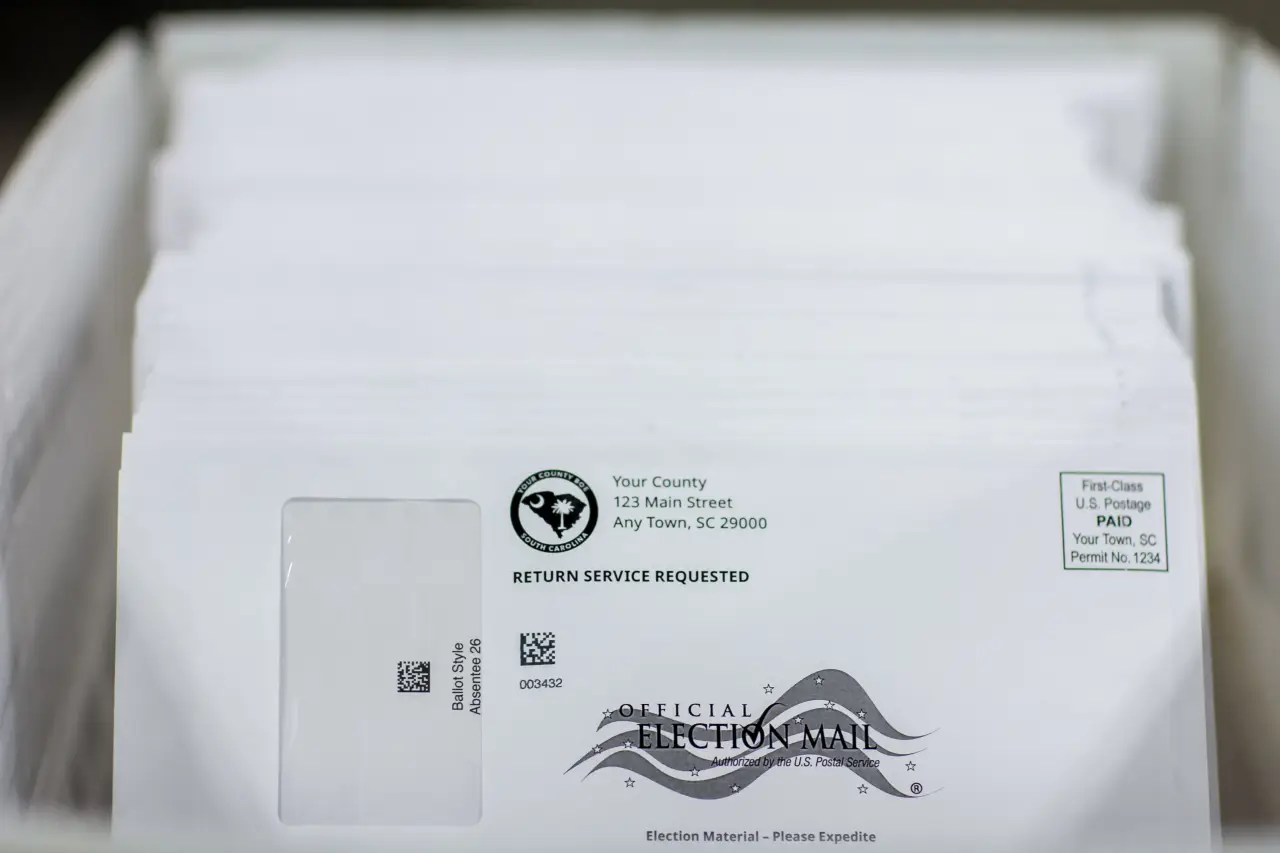
Tracking technology works best when the physical mailing materials are prepared correctly. Clear addresses, properly positioned barcodes, appropriate envelope specifications, and accurate voter information all contribute to successful mail processing.
Following established absentee ballot printing requirements can help reduce issues involving envelope design, barcode readability, folding, and postal compatibility.
At Phoenix Election Printing, we understand the importance of accurate ballot materials and secure mailing preparation. Our election printing and fulfillment services help boards of election manage the production and mailing of important voter materials.
9. Prepare for Important Election Deadlines
During the final weeks before Election Day, election administrators should make sure their teams are familiar with the deadlines that apply to absentee and mail ballots.
For New York's November 3, 2026 General Election, most absentee and early mail ballots returned by mail must be postmarked no later than November 3 and received by the county board of elections no later than November 10. Voters may also return completed ballots in person at their county board of elections, designated early voting sites during the early voting period, or Election Day polling locations, subject to the applicable deadlines.
Military, special federal, and certain overseas ballots have different requirements, so election offices should follow the rules that apply to each ballot category.
Communicating these deadlines clearly can help voters understand their return options. Election officials should also encourage voters to consult their local board of elections for the most accurate information about ballot status and return procedures.
10. Maintain Accurate Tracking and Delivery Records
Keeping detailed records throughout the absentee ballot process can help election offices respond to questions and review mailing activity after Election Day.
Useful documentation may include mailing dates, quantities, tracking information, returned mail reports, delivery records, and communications related to mailing issues. These records should be maintained according to applicable election laws and retention requirements.
Organized documentation can also support post-election audit trails by providing a clearer record of how election materials were prepared, mailed, and handled throughout the process.
Keep Absentee Ballot Tracking Organized Through Election Day
The final few days before Election Day leave little room for confusion or unnecessary delays. Reliable tracking systems, accurate voter information, USPS coordination, and clear communication can help election administrators manage absentee ballot mailings and returns with greater confidence.
With more than 40 years of election printing experience, Phoenix Election Printing supports boards of election throughout New York State and beyond with secure ballot printing, election mailings, and fulfillment services. Contact us today to discuss your election printing and mailing needs.